You have successfully logged out.

Zminimalizuj ryzyko wystąpienia nieszczelności stomii dzięki odpowiednio dobranemu rozwiązaniu 

Worki stomijne wypukłe – skuteczne rozwiązanie dla Twoich pacjentów?

Powikłania stomii mogą wystąpić zarówno w ciągu pierwszego miesiąca po operacji, jak i na późniejszych etapach leczenia.[1] Do czynników sprzyjających ich rozwojowi zalicza się m.in. umiejscowienie stomii, jej budowę, powstawanie przetoki oraz nadmierną ilość płynnej wydzieliny.[1] Gdy pojawią się takie trudności, treść jelitowa może podrażniać skórę okołostomijną, a nawet przedostawać się pod płytkę stomijną.[2] W konsekwencji może dojść do osłabienia przylegania oraz dodatkowego podrażnienia okolic stomii.[3]

Jesteś osobą wykonującą zawód medyczny lub prowadzącym obrót wyrobami medycznymi?

Zgodnie z obowiązującymi przepisami prawa, oświadczam, że jestem osobą wykonującą zawód medyczny lub prowadzącym obrót wyrobami medycznymi. Mam świadomość, że treści zamieszczane na niniejszej stronie mogą zawierać między innymi wiadomości na temat wyrobów niebezpiecznych dla zdrowia i bezpieczeństwa pacjentów.

Potwierdź Jestem profesjonalistą z branży medycznej. Anuluj Nie jestem profesjonalistą z branży medycznej.
Jeśli Twój pacjent zmaga się z nieszczelnością stomii, zastosowanie wypukłego sprzętu stomijnego może okazać się skutecznym rozwiązaniem. O jego zasadności decyduje ocena rodzaju stomii oraz ukształtowania powłok brzusznych pacjenta.

Kiedy warto zaproponować pacjentowi wypukły system stomijny?
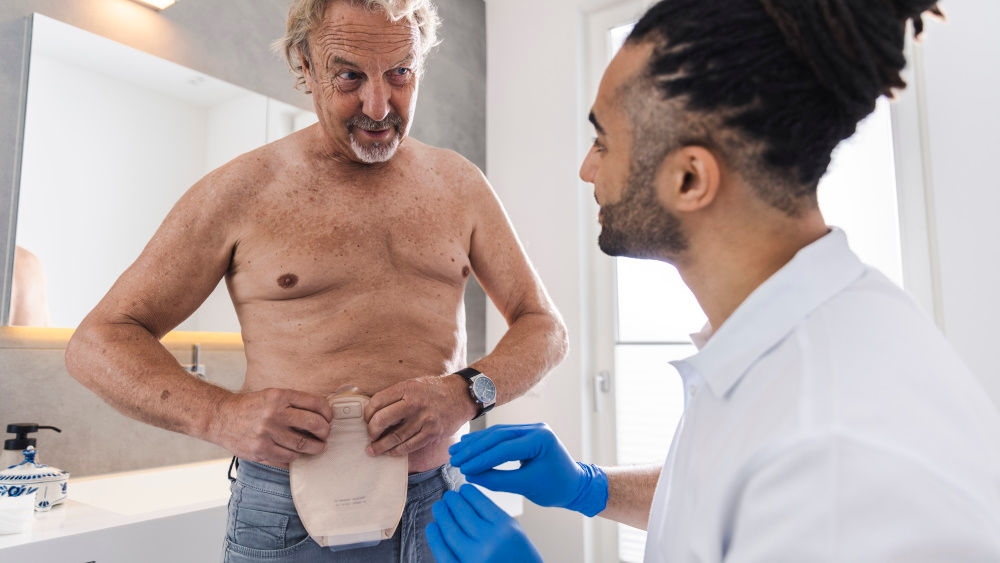
mężczyzna z workiem stomijnym na nagim torsie, pielęgniarz w rękawiczkach pokazuje, jak prawidłowo założyć sprzęt
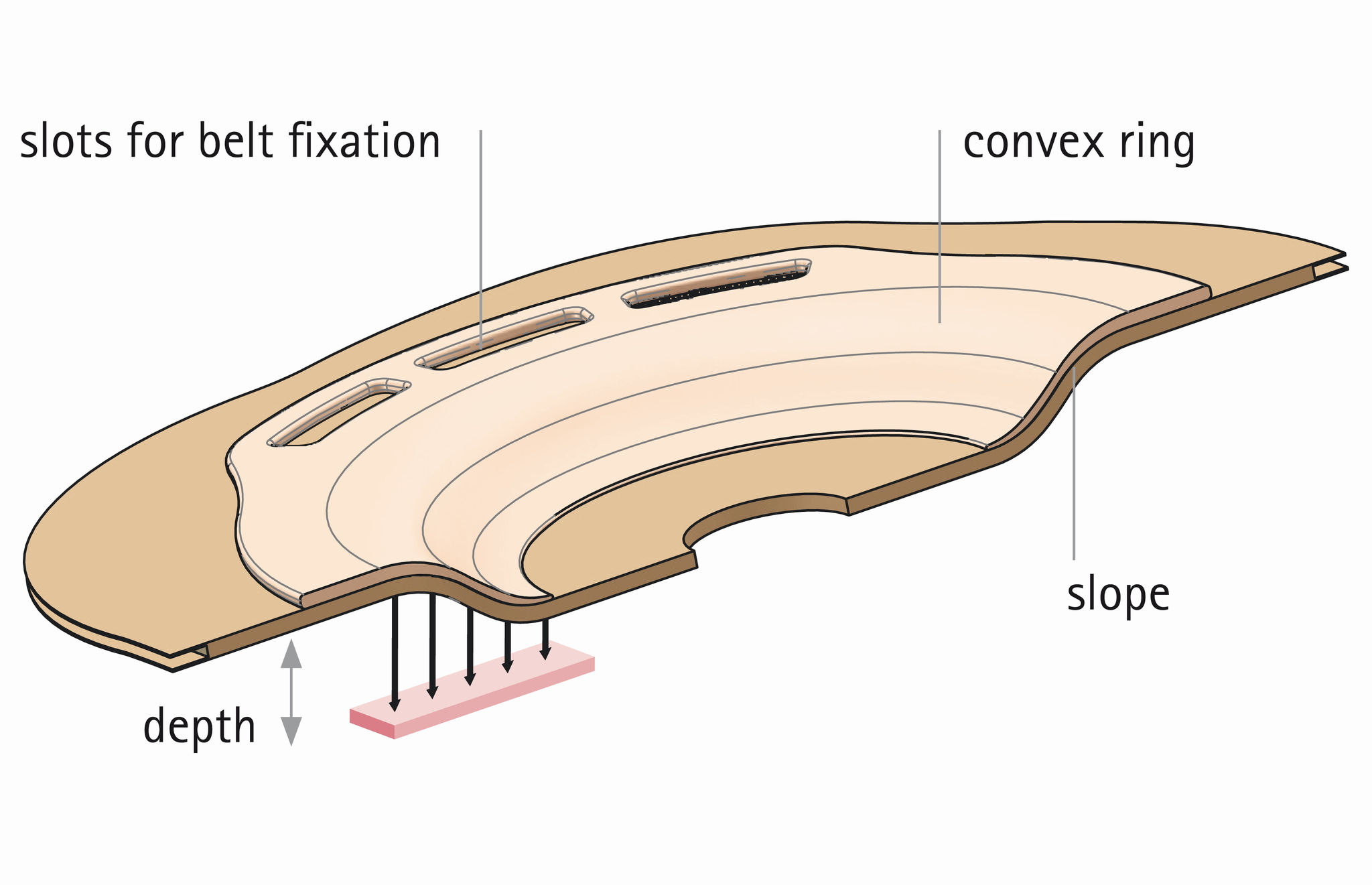
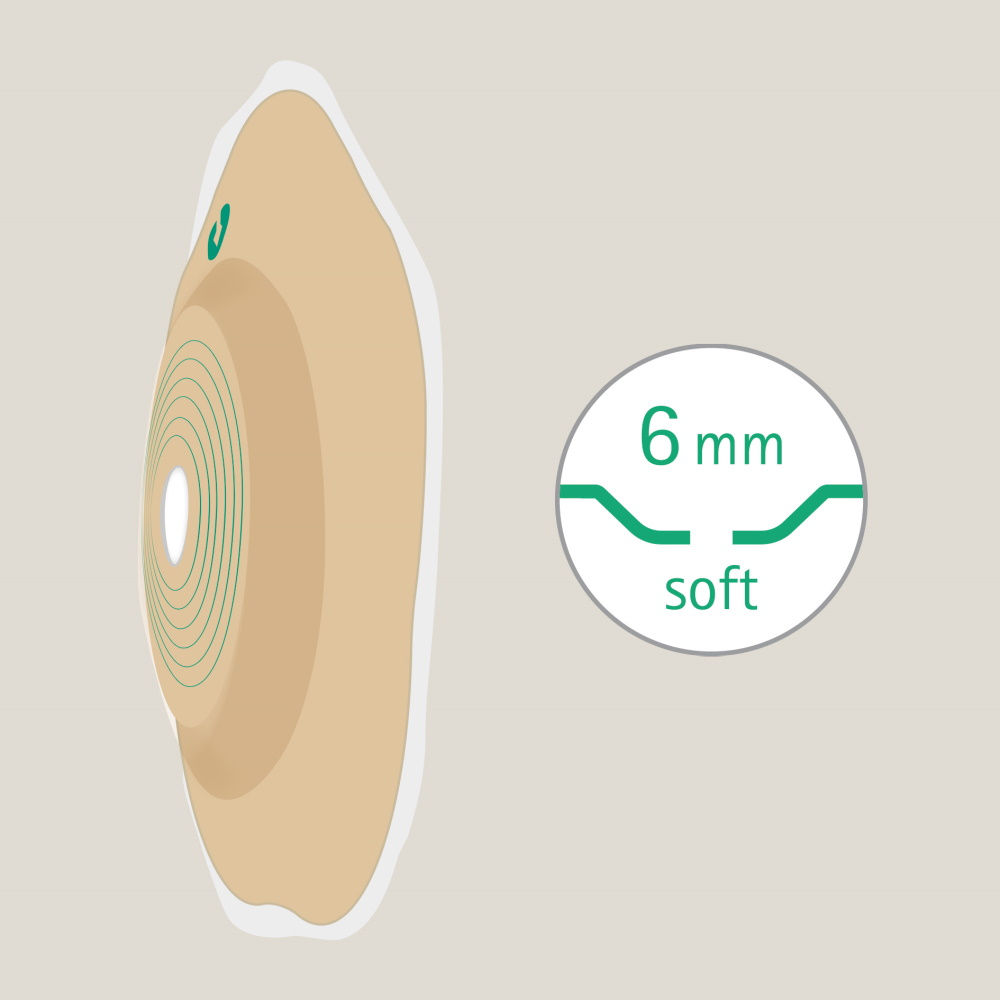
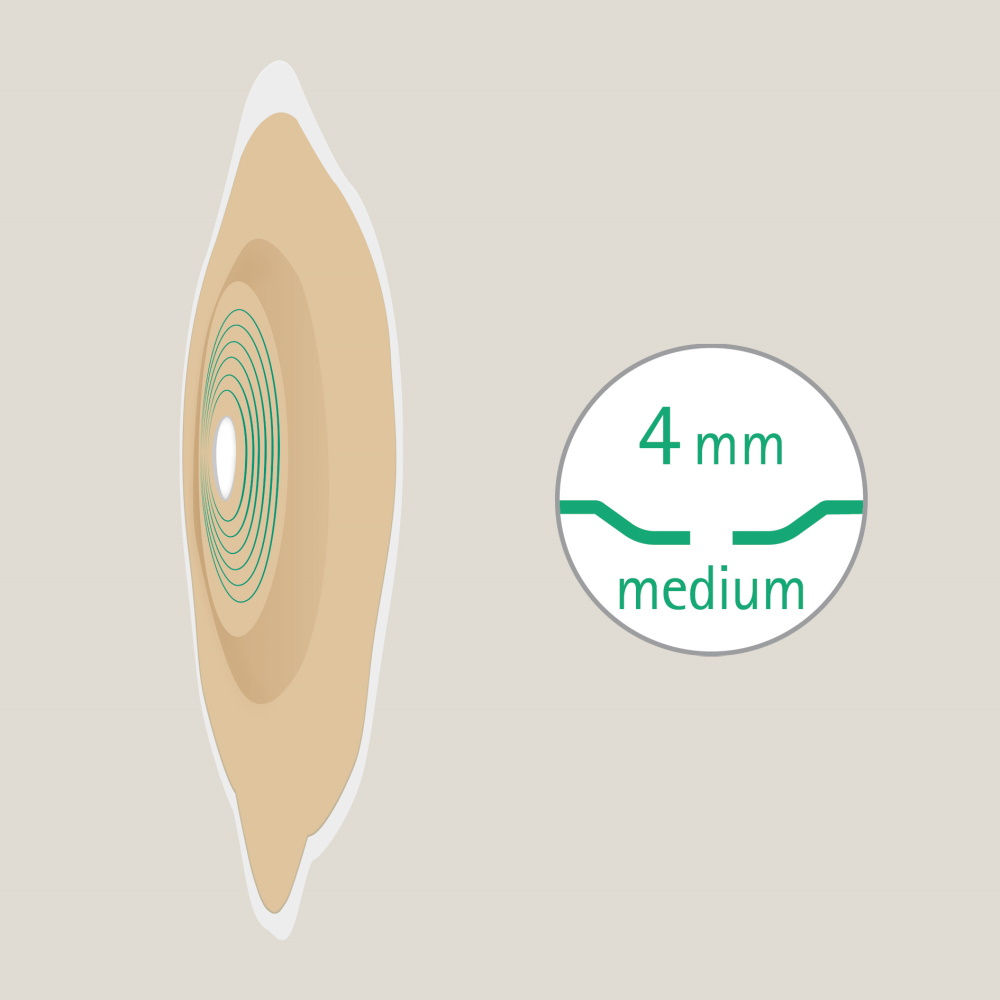
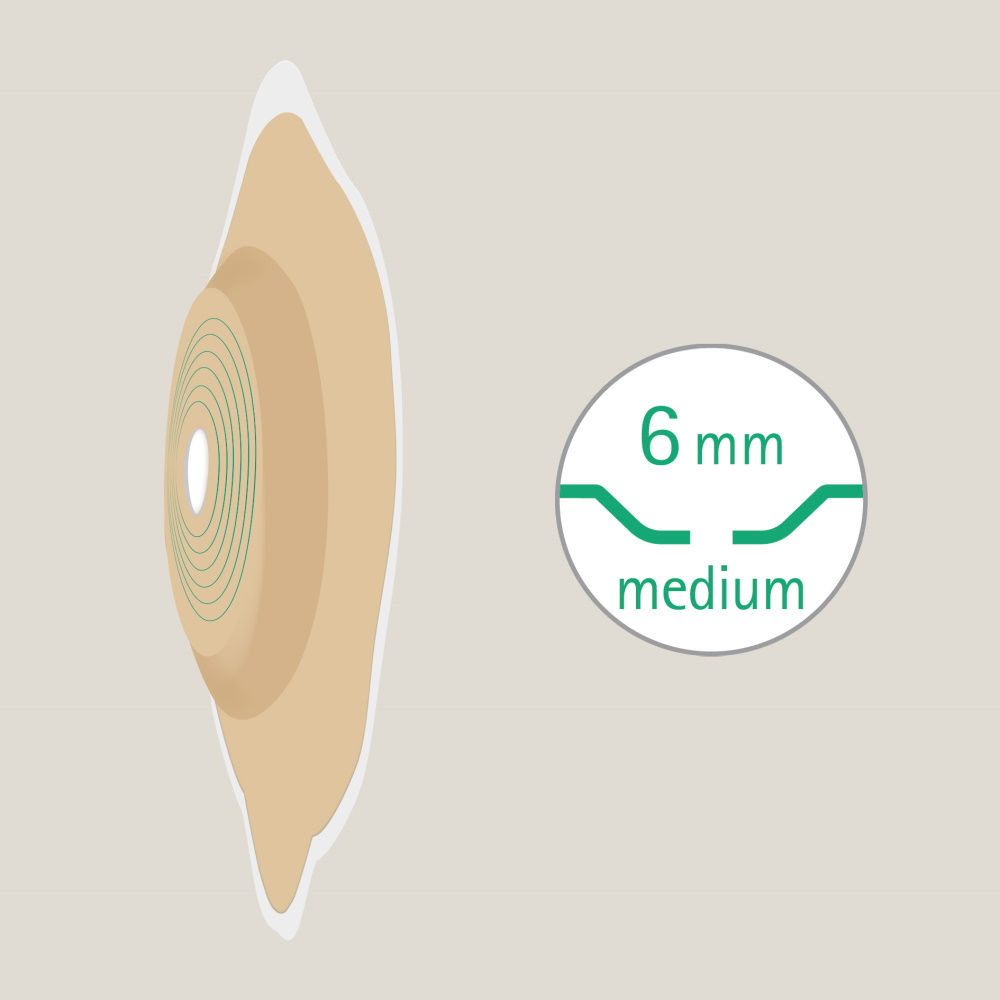
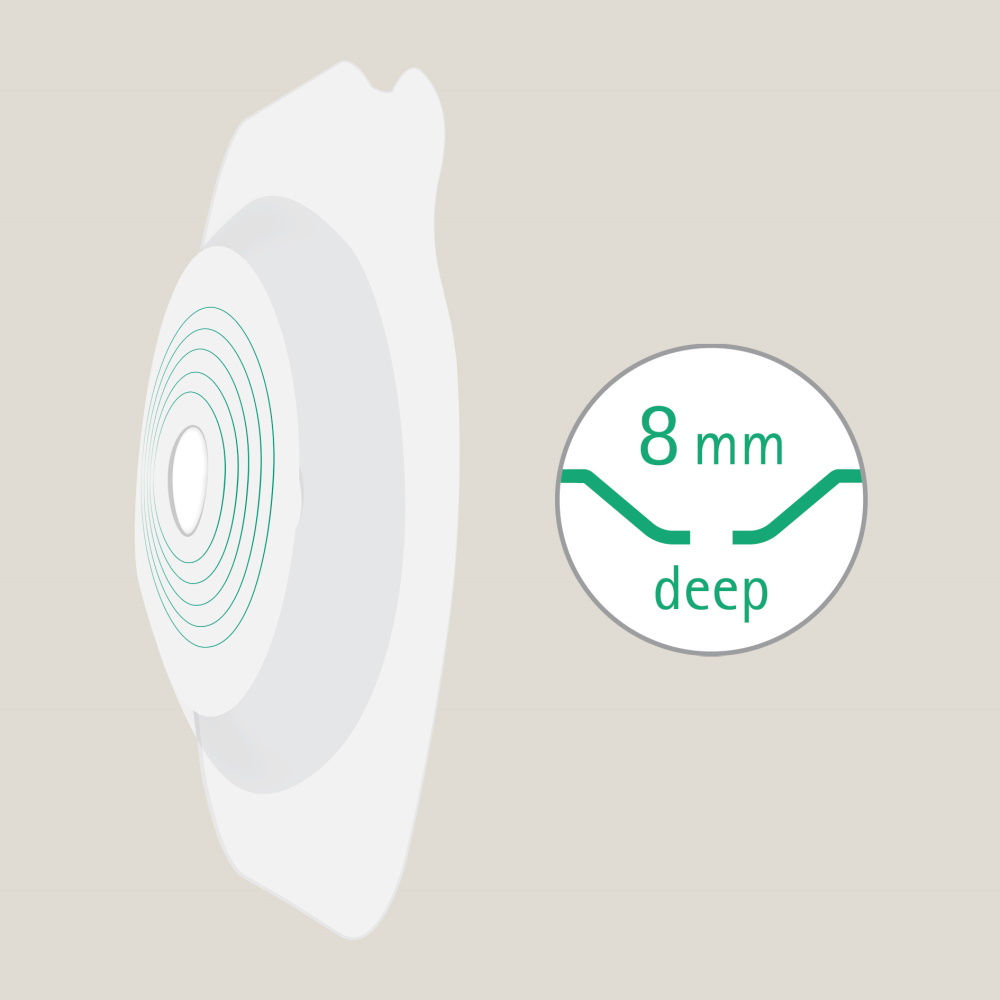
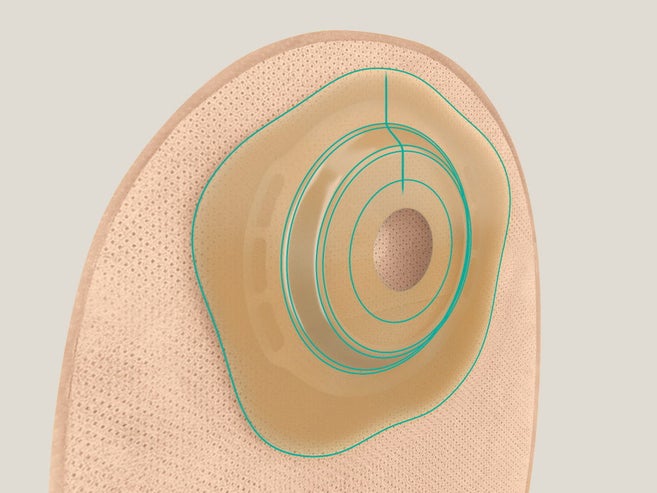
Delikatnie nachylona wypukłość
Przekrojowy schemat płytki stomijnej o wypukłym profilu, przedstawiający otwory do mocowania pasa, pierścień wypukły, nachylenie oraz głębokość.
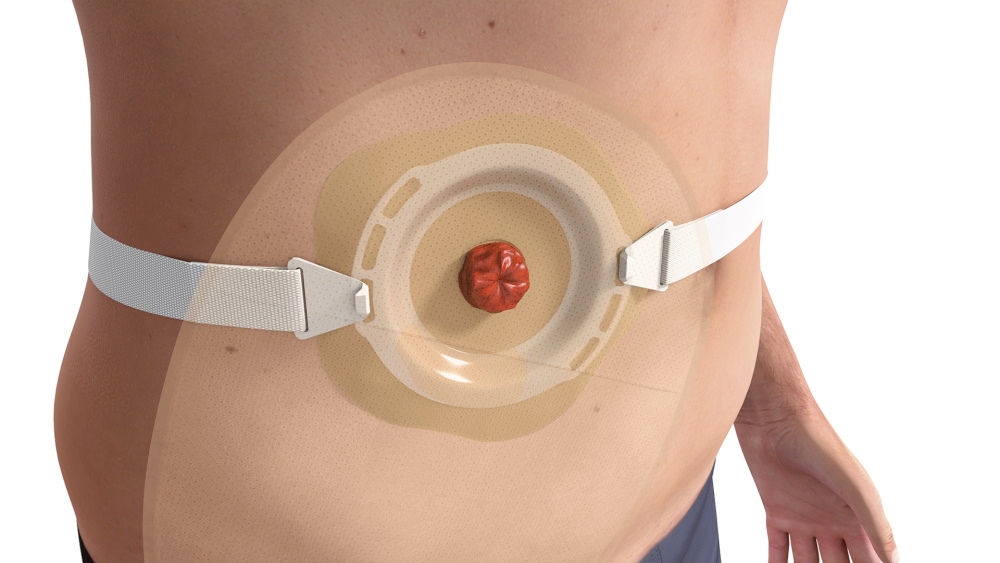
Zastosowanie systemu wypukłego

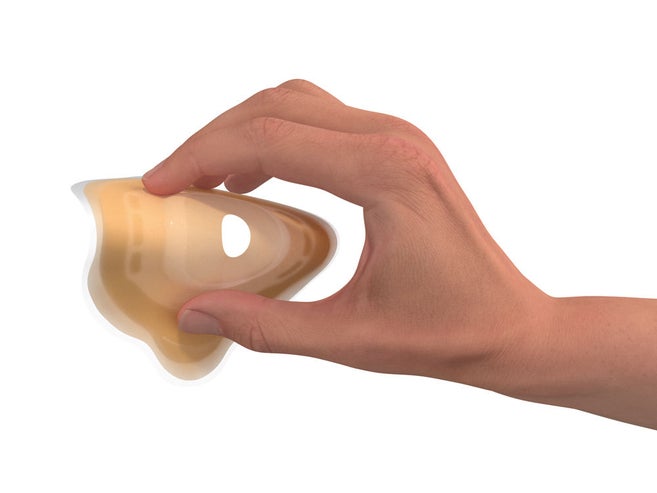
Poznaj miękką, wypukłą płytkę stomijną Flexima® Key Soft convex.
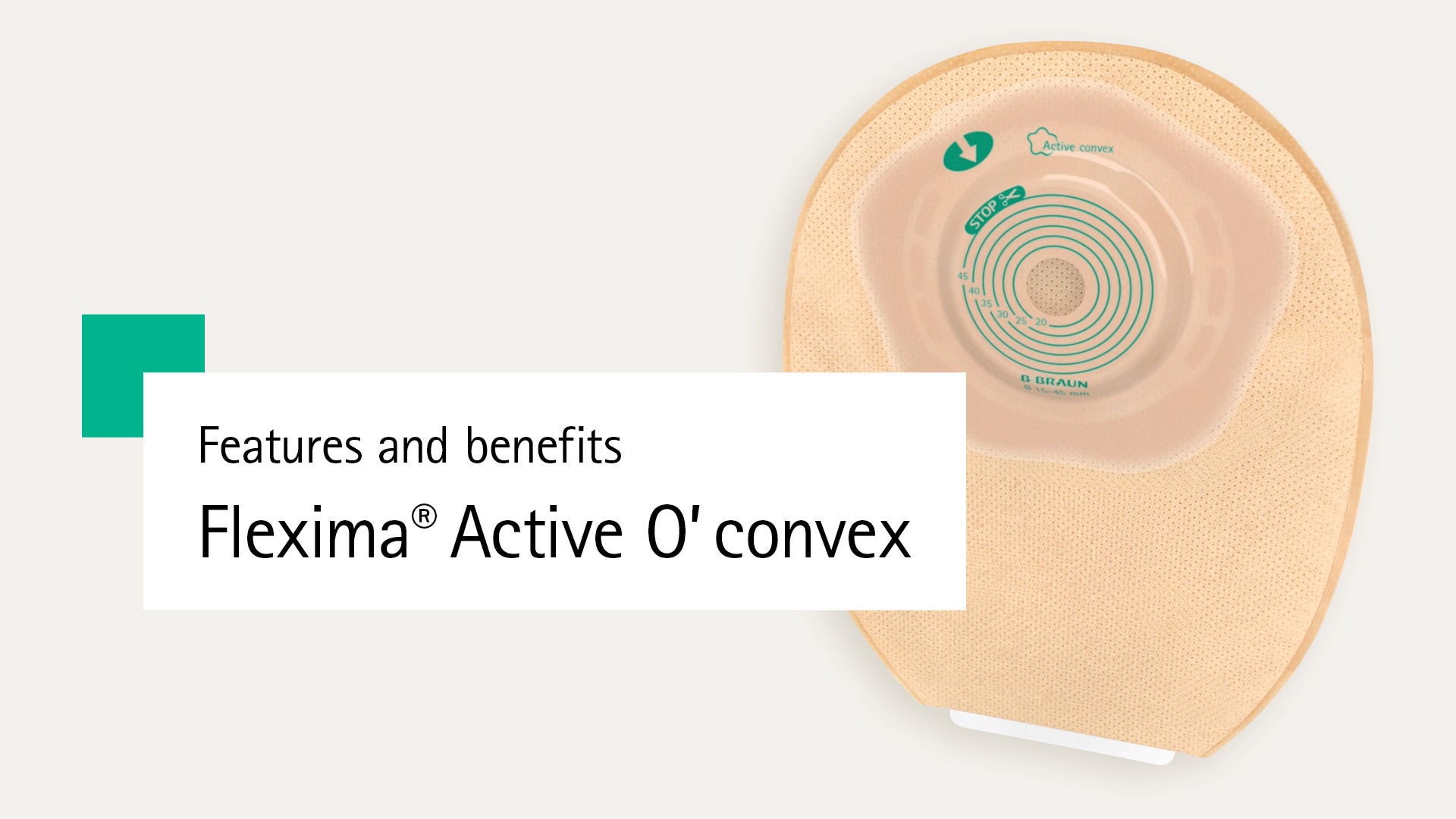
Jednoczęściowy system worków stomijnych Flexima Active o'Convex

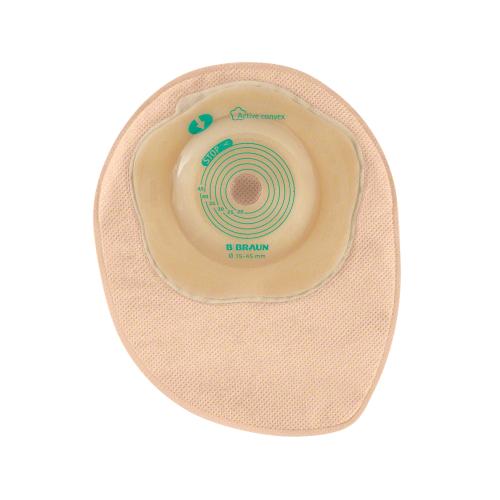
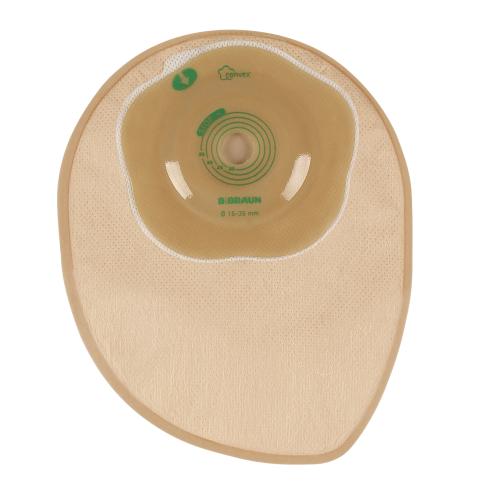
Flexima Active O' convex Colostomy Bags

Flexima® Active O' convex bags are designed to adapt to the body contours of people with a flush or slightly retracted stoma. The wafer of Flexima® Active O' convex is flexible and has a gentle slope for an even pressure distribution and great skin tolerance. Its comformability is designed to ensure a good seal around the stoma while providing a high level of comfort and a feeling of security.The closed bag is available in midi beige split cover cut-to-fit. Its ergonomic shape is designed to provide optimal comfort for people with a colostomy.

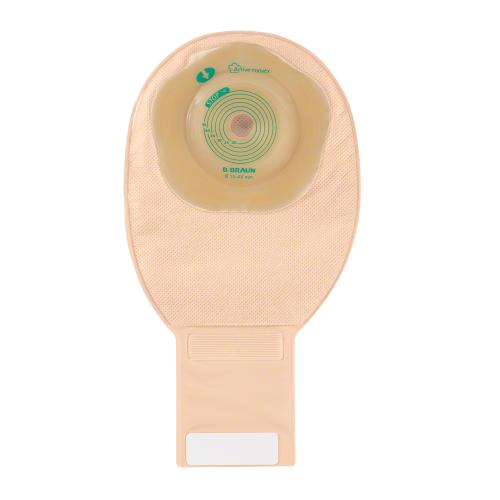
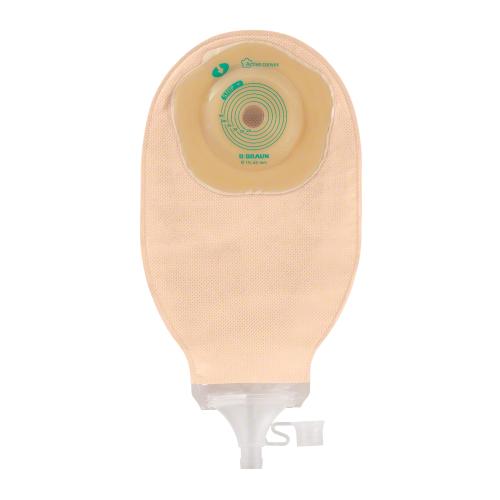
Flexima® Active O' convex Drainable Bags

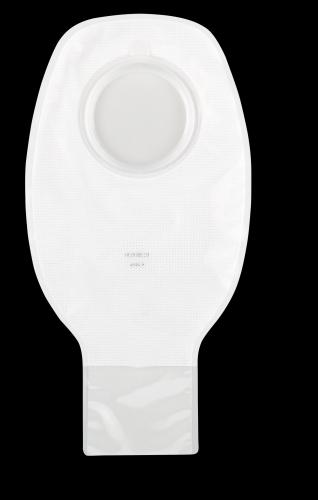
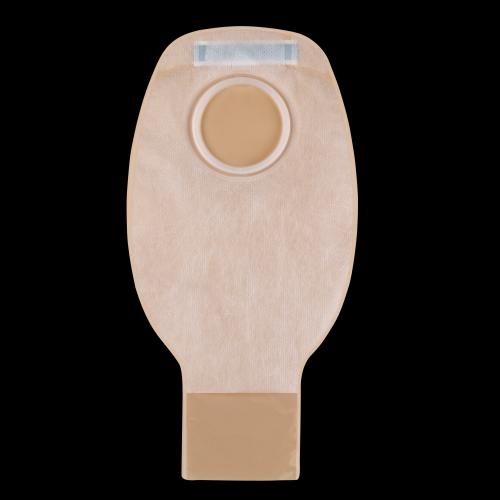
Flexima® Active O' convex bags are designed to adapt to the body contours of people with a flush or slightly retracted stoma. The wafer of Flexima® Active O' convex is flexible and has a gentle slope for an even pressure distribution and great skin tolerance. Its conformability is designed to ensure a good seal around the stoma while providing a high level of comfort and a feeling of security.The drainable bags with an integrated Roll'up clamp are available in midi and maxi, beige or transparent and in a cut-to-fit option. They can be used by both ileostomates and colostomates because of their large openings.

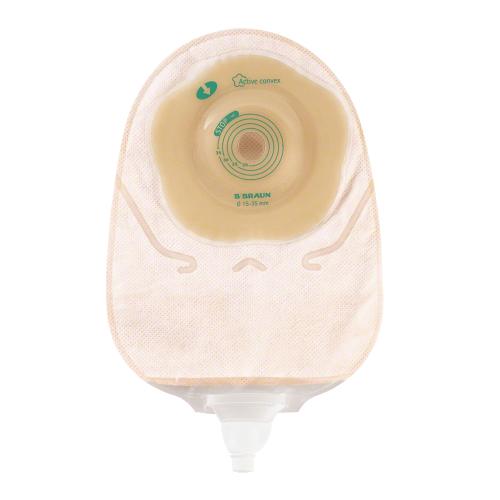
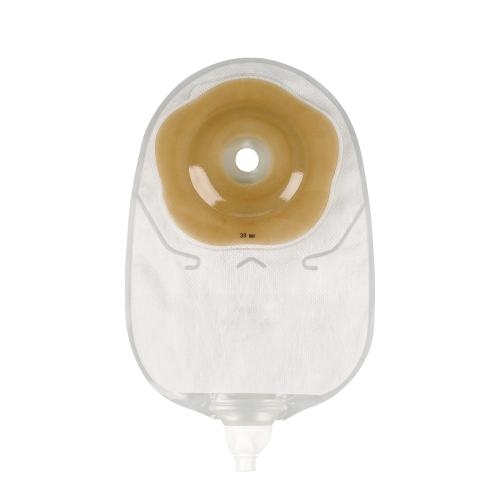
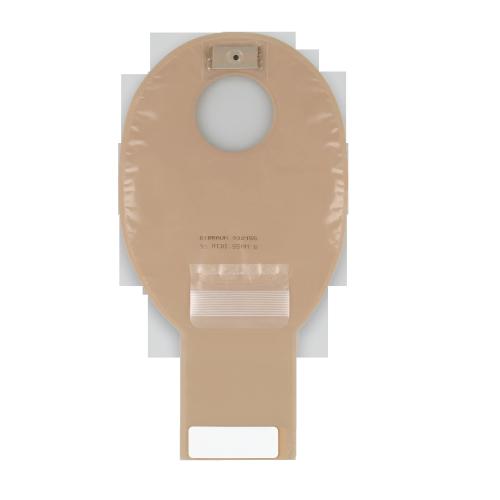
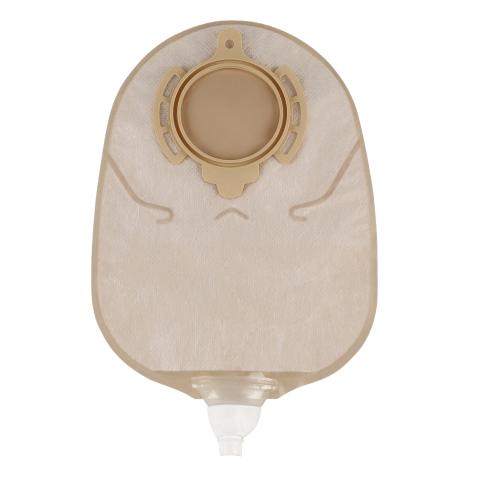
Flexima® Active O' convex Urostomy Bags

Flexima® Active O' convex bags are designed to adapt to the body contours of people with a flush or slightly retracted stoma. The wafer of Flexima® Active O' convex is flexible and has a gentle slope for an even pressure distribution and great skin tolerance. Its conformability is designed to ensure a good seal around the stoma while providing a high level of comfort and a feeling of security.The urostomy bags are available in midi beige split cover and transparent and in cut-to-fit and pre-cut options. The bags are designed with an anti-reflux valve to avoid urine backflow. They are easy to handle and secure thanks to the B. Braun tap with 'open' and 'closed' positions.

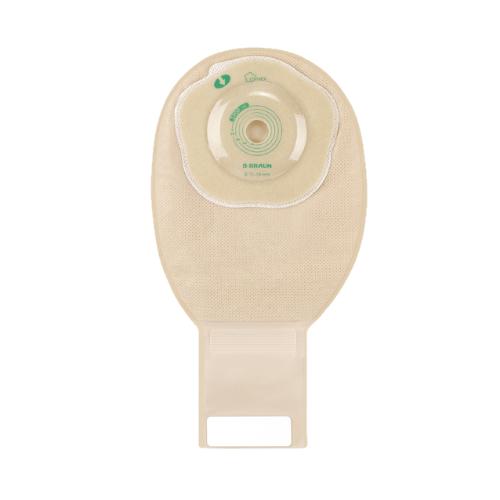
Flexima Active O' convex High-Flow Bags

Flexima® Active O' convex bags are designed to adapt to the body contours of people with a flush or slightly retracted stoma. The wafer of Flexima® Active O' convex is flexible and has a gentle slope for an even pressure distribution and great skin tolerance. Its comformability is designed to ensure a good seal around the stoma while providing a high level of comfort and a feeling of security.The high-flow bag is designed to collect a large quantity of body effluents for people with a high output stoma condition. Its large run-off outlet allows for an easy evacuation of liquid stools and debris. It can be directly connected to the Flow Collector and is easy to use.It is available in beige with split cover for a 920 ml volume in cut-to-fit.

Jednoczęściowy system worków stomijnych Flexima
System podłączania worka stomijnego Flexima 3S
System samoprzylepnego mocowania worka stomijnego Flexima Key
Proxima® 2+
System mechanicznego połączenia worka stomijnego Proxima 2+

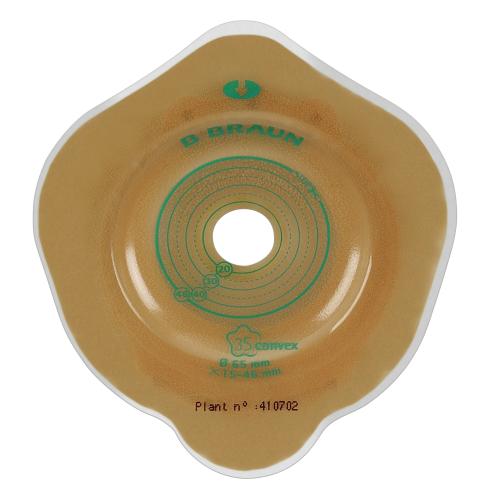
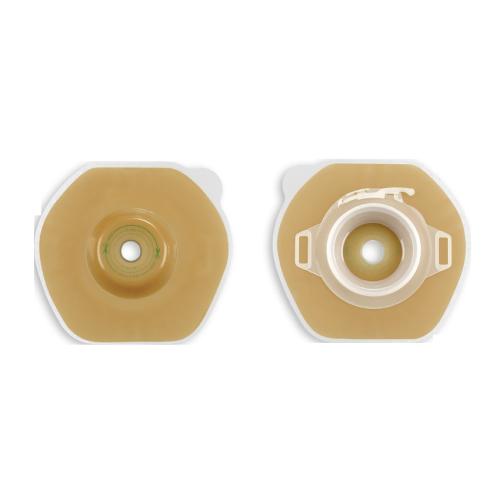
Proxima® 2+ Convex Wafers

The Proxima® 2 convex wafers offer a hydrocolloid skin barrier for optimal skin protection and a convexity of 8 mm for retracted stoma. They should be used with one of the closed, drainable or urostomy bags of the Proxima® 2 or Proxima® 2+ ranges.

Proxima® 2

Proxima® to ekonomiczna gama worków stomijnych. Zamknięte dwuczęściowe woreczki Proxima® 2+ posiadają po obu stronach miękką włókninę, która zapewnia większą dyskrecję i komfort. Należy stosować z podkładką Proxima® 2 o odpowiednich wymiarach.

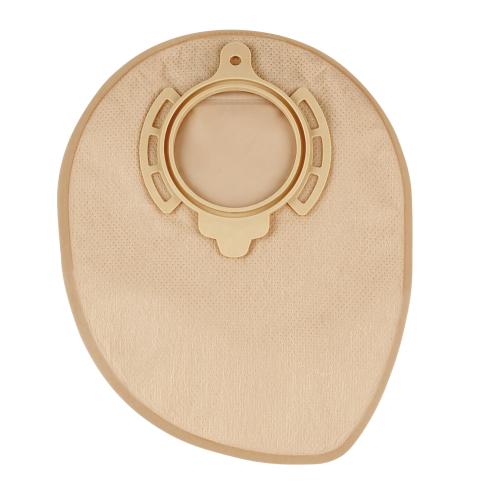
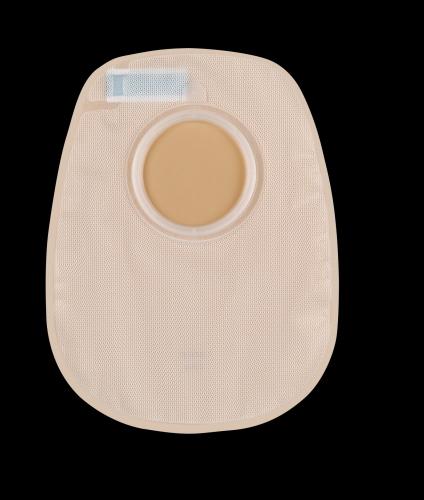
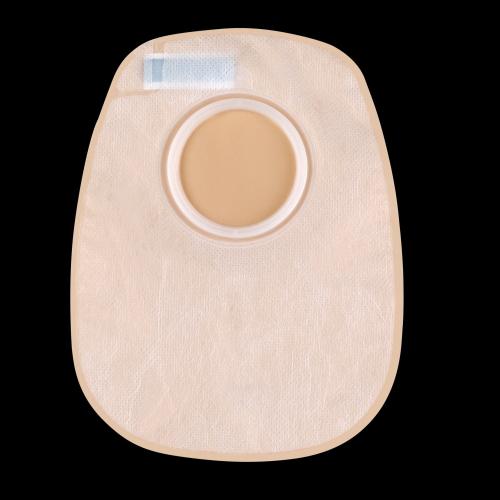
Proxima® 2+ Colostomy Bags

The Proxima® 2+ two-piece colostomy bags can be combined with three different wafers (Proxima® 2, Proxima® 2+ flat or Proxima® 2+ convex) to adapt to colostomate's needs. The closed bags have a soft non-woven material on both bag sides for more discretion and comfort. 

Proxima® 2

Proxima® to ekonomiczna gama worków stomijnych. Woreczki dwuczęściowe Proxima® 2+ muszą być używane z płytką Proxima® 2 o odpowiednich rozmiarach. Worki stosowane w ileostomii lub kolostomii zapewniają odpowiednią przestrzeń do wypróżniania, zintegrowany filtr chroni przed wzdymaniem woreczka.

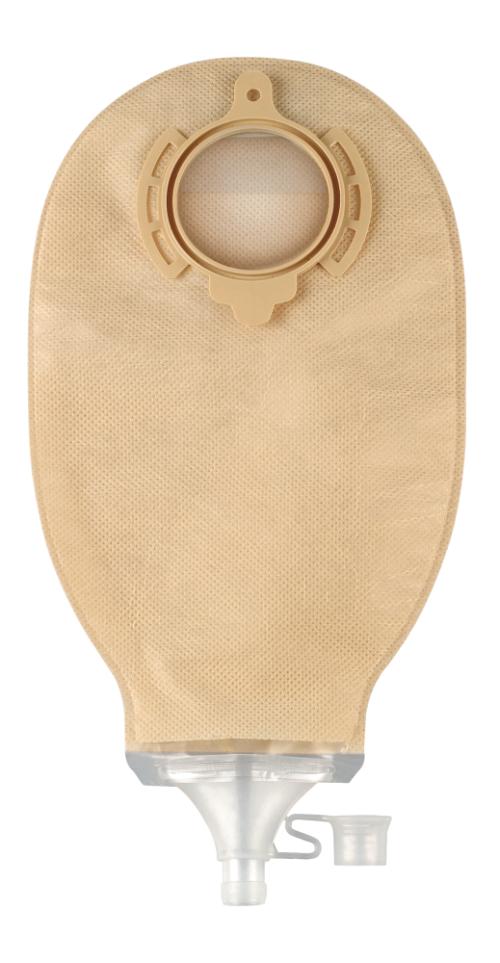
Proxima® 2+ worki odpuszczalne

The Proxima® 2+ two-piece drainable bags can be combined with three different wafers (Proxima® 2, Proxima® 2+ flat or Proxima® 2+ convex) to adapt to ostomate's needs. The bags are made of non-woven material on both sides for more discretion and comfort and have a large outlet for ileostomy or colostomy stool evacuation.

Materiały źródłowe

 
  1. Malik T, Lee MJ, Harikrishnan AB. The incidence of stoma related morbidity - a systematic review of randomised controlled trials. Ann R Coll Surg Engl. 2018 Sep;100(7):501-508. doi: 10.1308/rcsann.2018.0126. Epub 2018 Aug 16. PMID: 30112948; PMCID: PMC6214073.
  2. Evans M, White P. Selecting convexity to improve and maintain peristomal skin integrity. Br J Nurs. 2020 Sep 10;29(16):S8-S14. doi: 10.12968/bjon.2020.29.16.S8. PMID: 32901550
  3. Andersen NK, Trøjgaard P, Herschend NO, Størling ZM. Automated Assessment of Peristomal Skin Discoloration and Leakage Area Using Artificial Intelligence. Front Artif Intell. 2020 Sep 10;3:72. doi: 10.3389/frai.2020.00072. PMID: 33733189; PMCID: PMC7861335
  4. Rolls N, Yssing C, Bøgelund M, Håkan-Bloch J, de Fries Jensen L. Utilities associated with stoma-related complications: peristomal skin complications and leakages. J Med Econ. 2022 Jan-Dec;25(1):1005-1014. doi: 10.1080/13696998.2022.2101776. PMID: 35833520.
  5. Nafees B, Størling ZM, Hindsberger C, Lloyd A. The ostomy leak impact tool: development and validation of a new patient-reported tool to measure the burden of leakage in ostomy device users. Health Qual Life Outcomes. 2018 Dec 14;16(1):231. doi: 10.1186/s12955-018-1054-0. PMID: 30547808; PMCID: PMC6295083.
  6. Cronin E. A guide to the appropriate use of convex stoma care products. Gastrointestinal Nursing 2013; Vol. 6, No. 2. DOI: 10.12968/gasn.2008.6.2.28803. ISSN: 14795248
  7. Perrin A. Convex stoma appliances: an audit of stoma care nurses. Br J Nurs. 2016 Dec 8;25(22):S10-S15. doi: 10.12968/bjon.2016.25.22.S10. PMID: 27935354.
  8. Hoeflok J, Salvadalena G, Pridham S, Droste W, McNichol L, Gray M. Use of Convexity in Ostomy Care: Results of an International Consensus Meeting. J Wound Ostomy Continence Nurs. 2017 Jan/Feb;44(1):55-62. doi: 10.1097/WON.0000000000000291. PMID: 28002174; PMCID: PMC5266410.
  9. Turnbull GB. 2003. The Ostomy Files: The Convexity Controversy. https://www.hmpgloballearningnetwork.com/site/wmp/content/the-convexity-controversy. Accessed November 1, 2022.
  10. Hoeflok J, Kittscha J, Purnell P. Use of convexity in pouching: a comprehensive review. J Wound Ostomy Continence Nurs. 2013 Sep-Oct;40(5):506-12. doi: 10.1097/WON.0b013e3182a219b7. PMID: 24448619.
  11. Richbourg L, Thorpe JM, Rapp CG. Difficulties experienced by the ostomate after hospital discharge. J Wound Ostomy Continence Nurs. 2007 Jan-Feb;34(1):70-9. doi: 10.1097/00152192-200701000-00011. PMID: 17228210.

* except for Proxima® 2+, which has one hooking position for the belt