Żadne treści nie pasują do wyszukiwanego hasła.
Wszystko

You have successfully logged out.


MIETHKE M.blue®

Zgodnie z obowiązującymi przepisami prawa, oświadczam, że jestem osobą wykonującą zawód medyczny lub prowadzącym obrót wyrobami medycznymi. Mam świadomość, że treści zamieszczane na niniejszej stronie mogą zawierać między innymi wiadomości na temat wyrobów niebezpiecznych dla zdrowia i bezpieczeństwa pacjentów.
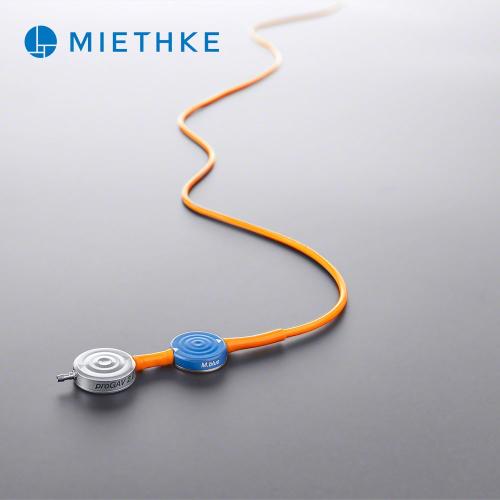
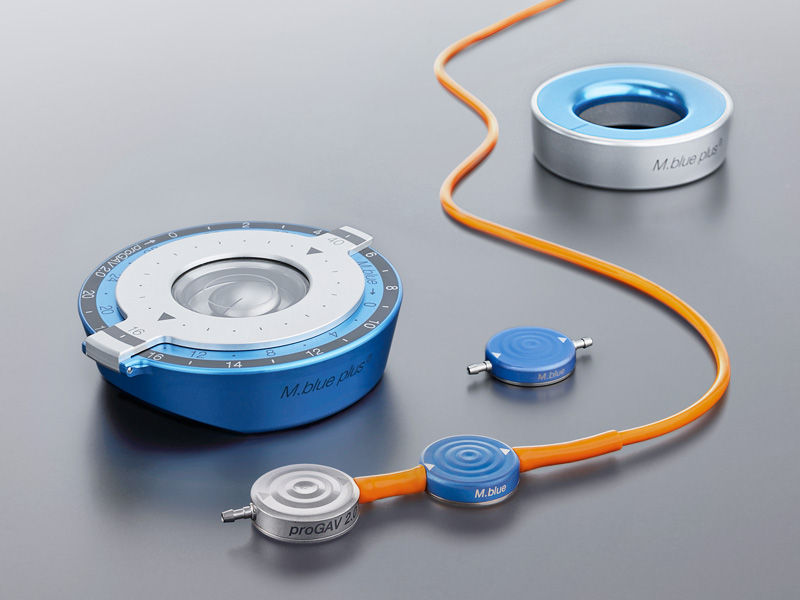
Potwierdź Jestem profesjonalistą z branży medycznej. Anuluj Nie jestem profesjonalistą z branży medycznej.M.blue® jest zastawką do leczenia wodogłowia zależną od postawy ciała. Składa się z regulowanej jednostki grawitacyjnej i stałej jednostki podstawowej. Szczególnie trudne formy wodogłowia wymagają znacznie większej elastyczności w leczeniu. Temu właśnie odpowiada M.blue® plus: połączenie regulowanej jednostki grawitacyjnej i regulowanej jednostki podstawowej (proGAV® 2,0).
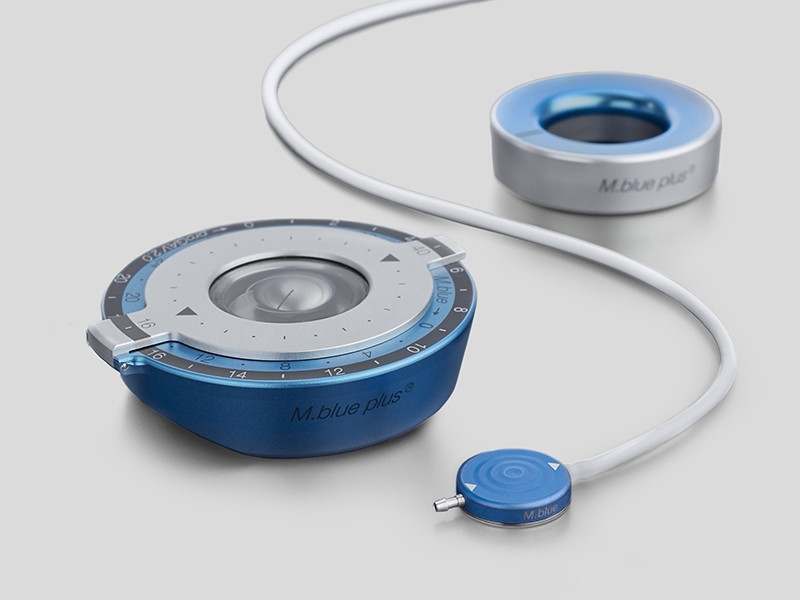
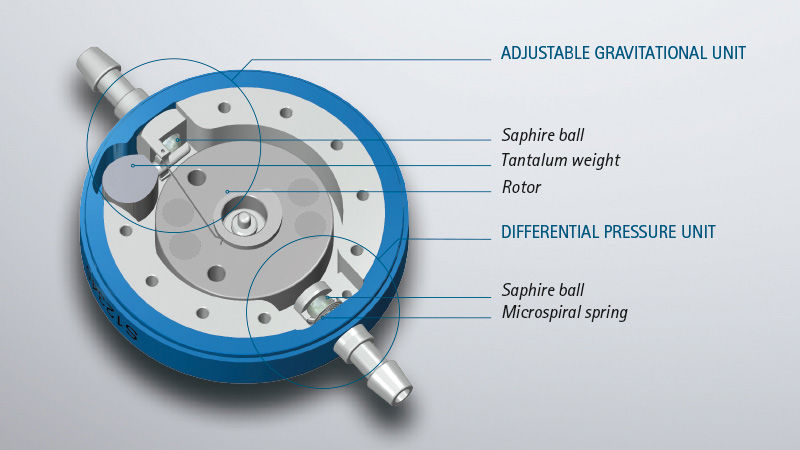
Połączenie tych dwóch jednostek zapewnia automatyczną regulację ciśnienia otwierania w zależności od pozycji ciała pacjenta, przeciwdziałając w ten sposób ryzyku powikłań nadmiernego drenażu, zwłaszcza w pozycji pionowej i aktywnej. 5,6,7,8 Szczególnie trudne i wymagające formy wodogłowia wymagają znacznie większej elastyczności w leczeniu. Oto, co oznacza M.blue plus®: połączenie regulowanej jednostki grawitacyjnej i regulowanej jednostki podstawowej (proGAV® 2,0). Oba warianty M.blue® są wykonane z wytrzymałego i biokompatybilnego tytanu, a ich konstrukcja jest efektem precyzyjnej inżynierii.
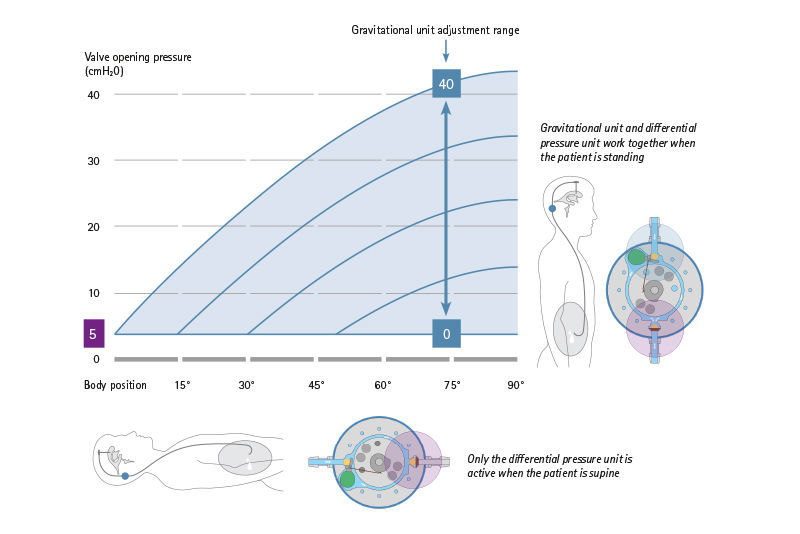
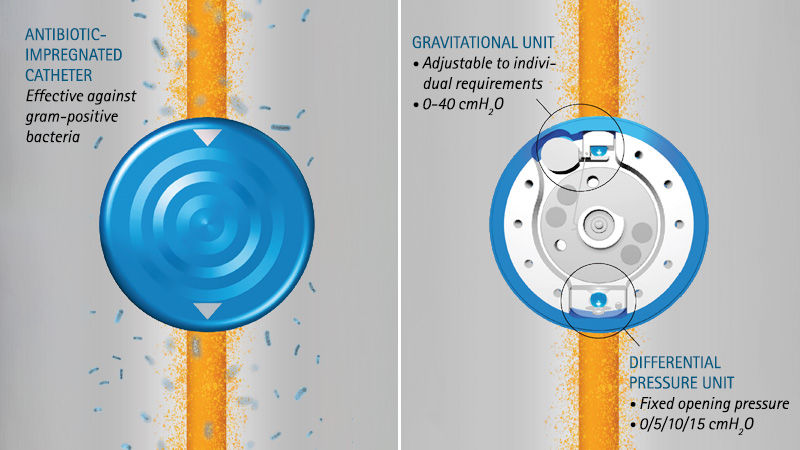
Podstawowa zastawka M.blue® jest dostępna w jednostkach 0, 5, 10 i 15 cmH2 O. Wybrane ciśnienie otwarcia jednostki podstawowej jest tak samo skuteczne we wszystkich pozycjach ciała. W pozycji leżącej jednostka działa samodzielnie i zazwyczaj ma wybrane niskie ciśnienie otwarcia, dzięki czemu zastawka odprowadza płyn mózgowo-rdzeniowy w czasie, gdy ciśnienie mózgowe wzrasta podczas faz snu i odpoczynku. Za prawidłowe ciśnienie odpowiada mikrosprężyna, która dociska szafirową kulkę do gniazda. Jeśli ciśnienie w mózgu przekroczy ustawione ciśnienie otwarcia, sprężyna ustępuje, zastawka otwiera się i umożliwia przepływ płynu, aż ciśnienie śródczaszkowe ponownie spadnie do odpowiedniego poziomu.
Jednostkę grawitacyjną w M.blue® można regulować w zakresie 0-40 cmH2O i jest ona skuteczna tylko w wyprostowanej pozycji ciała. Suma obu jednostek - grawitacyjnej i podstawowej - określa teraz całkowite ciśnienie otwarcia M.blue®.
Jednym z najczęstszych i potencjalnie poważnych powikłań leczenia wodogłowia jest infekcja zastawki,13 która dotyka 7-15% pacjentów z wodogłowiem.14 Infekcje zastawki mogą mieć poważne konsekwencje dla pacjenta.15-18
Stosowanie cewników impregnowanych antybiotykami może zapobiec dwóm trzecim infekcji zastawek,19 przyczyniając się w ten sposób do zmniejszenia obciążeń pacjenta i poprawy wyników leczenia.
Nowy cewnik XABO® firmy MIETHKE, impregnowany antybiotykami, wykorzystuje zrównoważony stosunek chlorowodorku klindamycyny i ryfampicyny do skutecznego zwalczania bakterii Gram-dodatnich.20
Cewniki impregnowane antybiotykami XABO® doskonale pasują do naszej innowacyjnej zastawki MIETHKE M.blue ®. Zapewnia długotrwałe działanie przeciwbakteryjne przez co najmniej 38 dni po wszczepieniu, jest łatwy w obsłudze, ponieważ wytrzymuje temperatury do 30°C bez utraty skuteczności21 i wygodny do przechowywania przez okres do 5 lat.
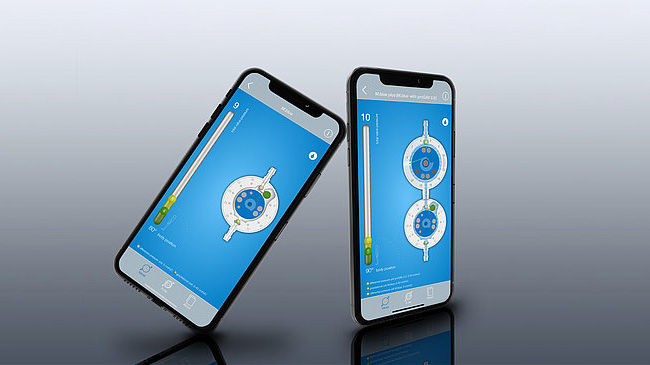
W ogólnodostępnej aplikacji MIETHKE funkcjonalność regulacji oraz zależne od pozycji ciała ciśnienia otwarcia są przedstawione w bardzo przejrzysty sposób (dla Android, dla iOS).
Podgląd i pobieranie iTunes >>
Podgląd i pobranie z Google Play >>
Więcej informacji na temat różnych poziomów ciśnienia oraz ich detekcji w RTG znajduje się w sekcji pobierania poniżej.
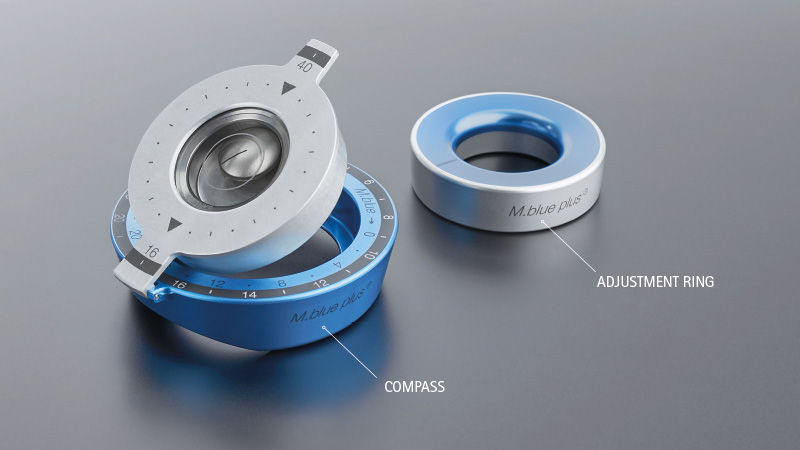
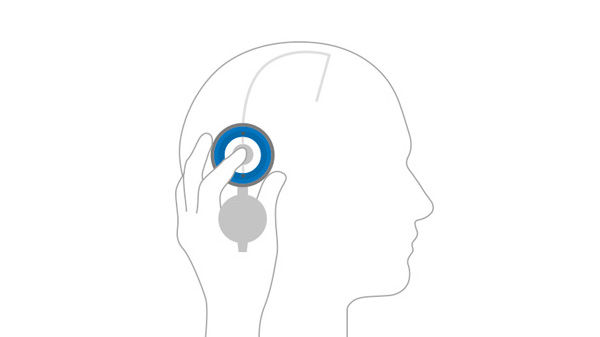
Zlokalizuj zastawkę, dotykając obszar palcem przez otwarty kompas M.blue plus®.
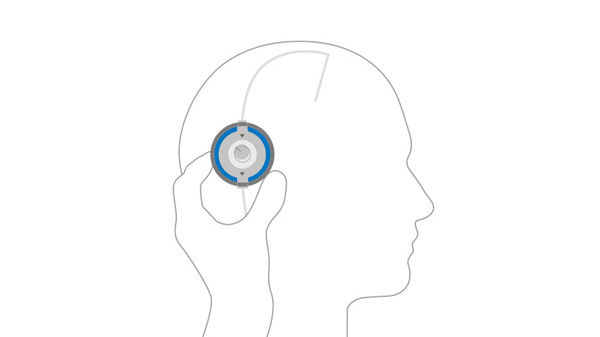
Zamknij kompas M.blue plus® i użyj pływaka do zablokowania lokalizacji i odczytania aktualnego ustawienia ciśnienia otwarcia zastawki.
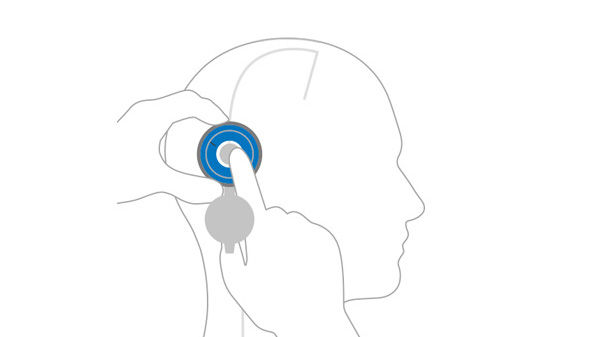
Za pomocą włożonego pierścienia regulacyjnego można łatwo ustawić ciśnienie otwarcia zastawki na żądany poziom. Po ustawieniu ciśnienia otwarcia zaleca się ponowne sprawdzenie ustawień poziomu ciśnienia.
Standardowe poziomy ciśnienia dla M.blue® i M.blue plus®
Arkusz
pdf, 111.0 KB
Wyzwania związane z rozwojem zastawki do leczenia wodogłowia
Infografika
pdf, 45.4 KB
Zastawki grawitacyjne MIETHKE zostały zaprojektowane tak, aby dawać pewność:
Infografika
pdf, 36.8 KB
M.blue® - system zastawkowy do leczenia wodogłowia
Dane pacjenta
link
M.blue® - zrównoważony styl życia. Zainspirowany Tobą.
Ulotka informacyjna
link
Cewniki impregnowane antybiotykami XABO® - dodatkowa ochrona przed zakażeniami
Ulotka informacyjna
link
Spersonalizowane konto sprawia, że korzystanie z Internetu jest łatwiejsze, wygodniejsze i bezpieczniejsze.