You have successfully logged out.

Endoprotezoplastyka stawu biodrowego

Przywracanie jakości życia dzięki sztucznym stawom biodrowym

Szerokie portfolio implantów przeznaczonych do zabiegów pierwotnych i rewizyjnych.

Jesteś osobą wykonującą zawód medyczny lub prowadzącym obrót wyrobami medycznymi?

Zgodnie z obowiązującymi przepisami prawa, oświadczam, że jestem osobą wykonującą zawód medyczny lub prowadzącym obrót wyrobami medycznymi. Mam świadomość, że treści zamieszczane na niniejszej stronie mogą zawierać między innymi wiadomości na temat wyrobów niebezpiecznych dla zdrowia i bezpieczeństwa pacjentów.

Potwierdź Jestem profesjonalistą z branży medycznej. Anuluj Nie jestem profesjonalistą z branży medycznej.
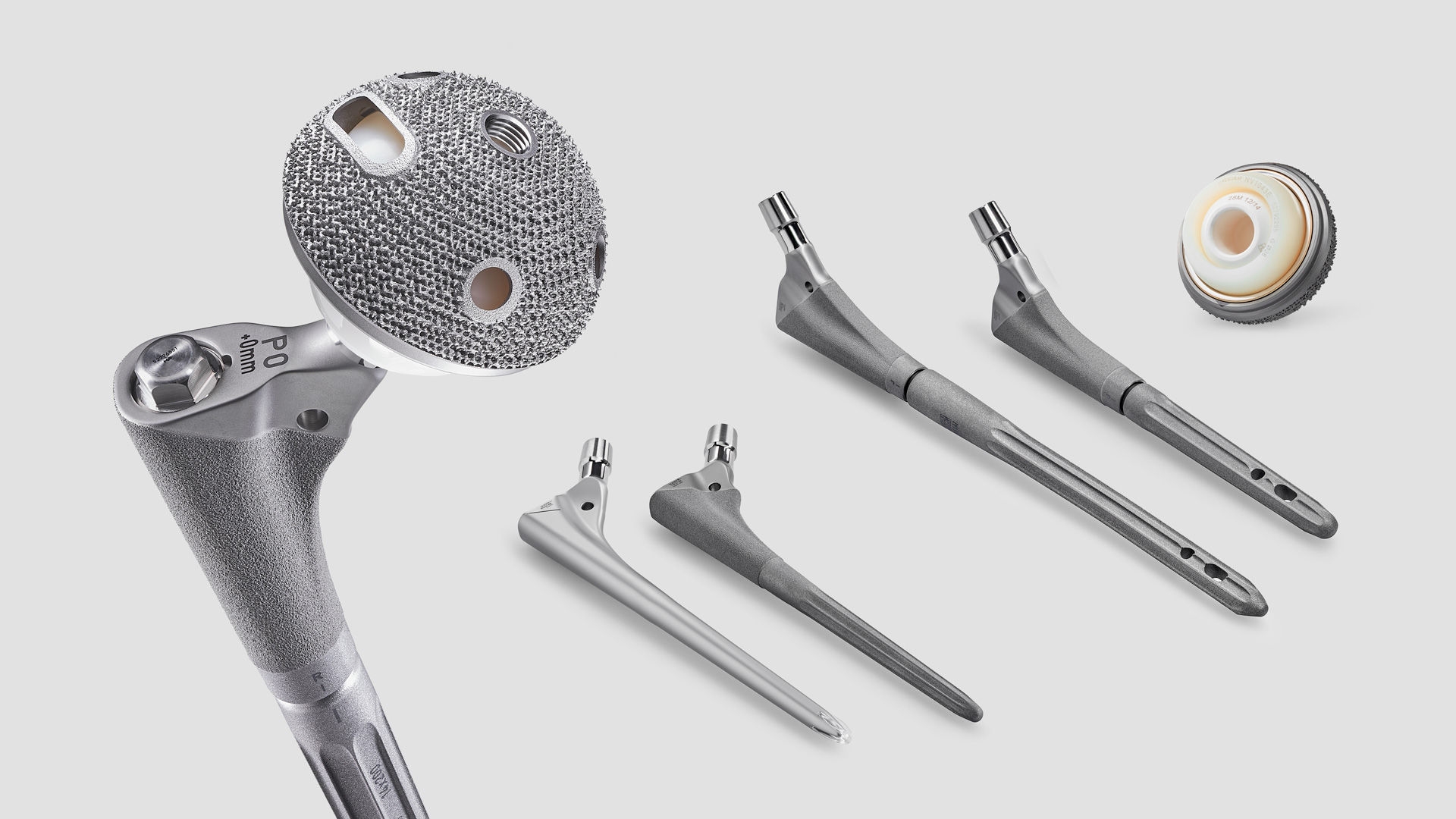
Rodzina Plasmafit® do całkowitej alloplastyki stawu biodrowego
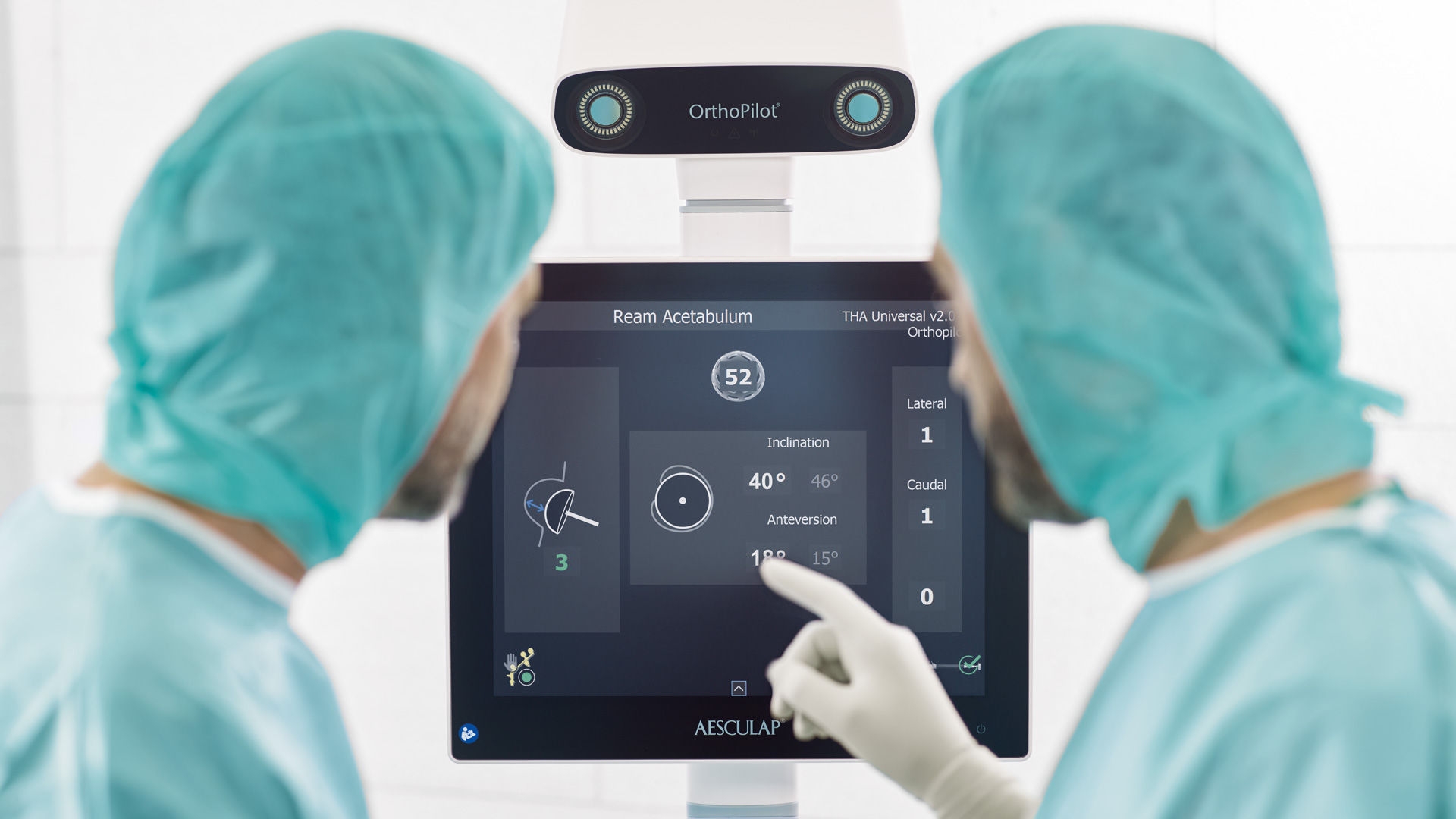
Dwóch chirurgów korzysta z oprogramowania nawigacyjnego Orthopilot
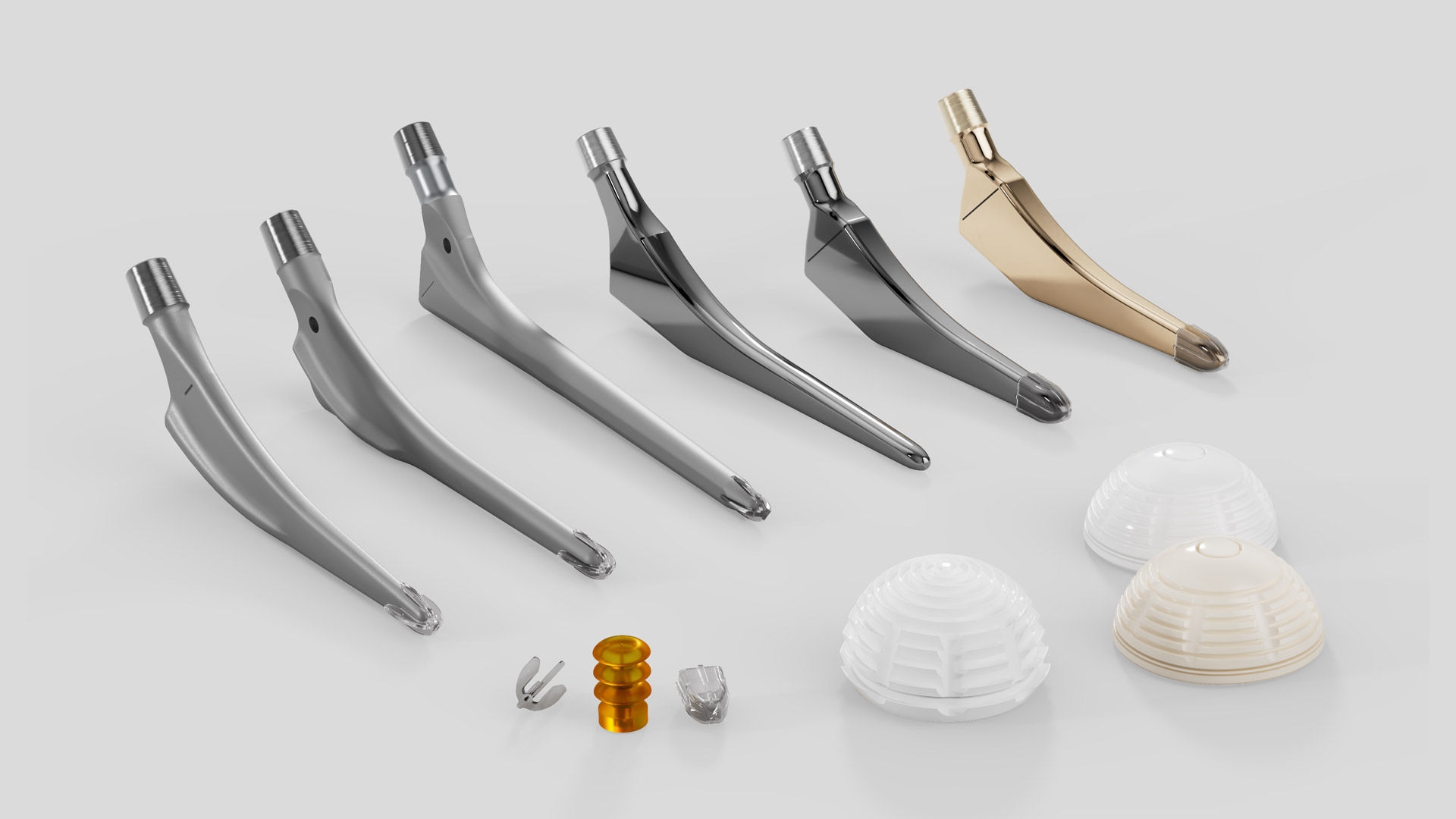
Portfolio produktów Aesculap do rewizji stawu biodrowego
Portfolio cementowanych trzpieni i panewek stawu biodrowego Aesculap

Systemy panewkowe

Plasmafit®

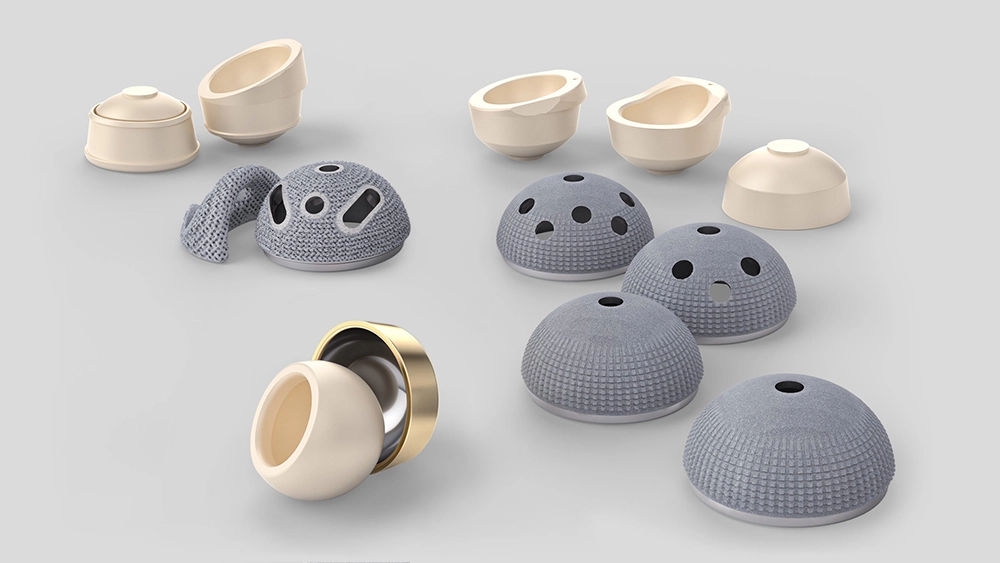
Successful Market Implementation: 10 Years Plasmafit® B. Braun went through different design stages and a thorough investigation on the surface structure to create the rough surface of the Plasmafit® acetabular cup system.Fast, simple & safe was the major criteria in the development of the cup. In 2022, after ten successful years of Plasmafit® in the markets, it can be said that the straight-forward surgical technique with a very good feeling for the surgeon, wide range of possible indications and an easy and intuitive instrumentation make the essential features of Plasmafit®. Recently, a modular Dual Mobility option and Plasmafit® Revision, an acetabular revision cup, were added to system and complement the cup family. Together with the clinical advisors Prof. Peter Aldinger and Prof. Michael Clarius we look back on ten fruitful years. Check out which features the two appreciate most. Feel the grip. Get the fit.The Plasmafit® acetabular system features and combines several important elements for cementless orthopaedic implants: High primary stability even in difficult conditions, low-abrasion articulation and ideal implant position. The Plasmapore® surface provides through its roughness a strong connection to the bone. The possibility of a Biolox® ceramic insert provides high lubricity and minimum wear. With Vitelene® (highly-crosslinked polyethylene with vitamin E) there is a new material available, which is characterized by high wear and oxidation resistance. This plays an important role in the field of highly-crosslinked articulation. The OrthoPilot® Navigation technology combines these features with the possibility of an exact implant positioning.

Plasmafit® Dual Mobility

Modular Dual Mobility articulationLarger head diameters, improved surgical techniques and the use of improved materials contributed to a reduction of intraprosthetic joint dislocations paired with a higher joint stability.An additional level for a treatment option for the acetabulum, offers the use of modular Dual Mobility liners that support postoperative joint stability and allow a high range of motion.Dual Mobility liners can be used both in primary and revision surgeries. Especially under the aspect of a worldwide aging population a reduction of complications, e. g. for patients with a high risk of dislocation, is beneficial. Plasmafit® Dual Mobility articulation in primary and revision surgeries for Plasmafit® Plus and Plasmafit® RevisionThe Plasmafit® Dual Mobility concept adresses a high stability preventing hip joint dislocationsComplementing the proven Plasmafit® FamilyVitelene® highly crosslinked Vitamin E Dual Mobility headMetal on Metal contact avoidance by ceramic multilayer coating on the outer side of the Dual Mobility linerDual Mobility treatment as of cup size 46 mm (ID ø 22.2 mm) and as of 52 mm (ID ø 28 mm)Intraoperative flexibility in the choice of bearing options: Dual Mobility liner or Standard linerFree 360° positioning of Dual Mobility liner in the cupInstrument concept of Plasmafit® Family

Plasmafit® Revision

Cementless acetabular revisionPlasmafit® Revision is an acetabular cup system for both primary treatment and revisions of differently located acetabular defect situations.The hemispherical shape and the laser-sintered titanium structure of the acetabular cup provide high primary stability. To achieve good stability for larger acetabular defects, the design has a total of five options for anchoring screws.In addition, Structan® Augments can be combined with the Plasmafit® Revision cup for treating larger defects. Plasmafit® Revision – CharacteristicsHigh grip thanks to very rough, laser-sintered titanium surfaceCup design offering several options for screw anchoringTwo cranial oblong holes for greater flexibility of screw fixationThe hex connection offers rotational stability during cup implantationRoughened surface of inner cone for rotationally stable liner fixation Plasmafit® Revision – CombinationsVitelene® highly crosslinked polyethylene liners with vitamin ESix liner options for individual fitting solutionsFree 360° positioning of the linersFixation screws ø 6.5 mmCombination with Structan® Augments

Structan®

With moderate segmental defects, an acetabular revision intervention is particularly demanding when it comes to choosing the implant and filling the defect with augmentations. The aim is to securely anchor the acetabular augment components in the area of the bone defect, the shape and size of which may exceed the dimensions of the revision socket.

Screw Cup SC

Thin thread flanks and large pitches give more solid bone lamellae. Especially the combination of large thread distances with a good cutting-in leads to a large bone application in the thread base. The load transmission takes place evenly and without load concentrations on the thread flanks. External shape Due to the anatomical external shape of the Screw Cup SC® the subchondral bone structures remain intact. These are often destroyed in conically shaped screw sockets. The free intraoperative decision for optimal socket position is also up to the screwing of the screw cup possible, an important advantage especially in the ceramic-ceramic articulation. Cancellous bone structure  Due to the large bottom opening a central bone defect can easily be filled with cancellous bone. This sets the stage for the formation of bone in the socket base. The opening is then closed by a lid. This is firmly connected to the threaded SC® by a clamping mechanism. Cutting-in Thin thread flanks and many self-tapping edges reduce the force required for cutting the thread. Thread flanks with opposite cutting angle intersect smoother and softer in the bony implant bed. Choosing this thread parameter enables an easy and safe implantation of the Screw Cup SC®. Cutting-in depth Once the Screw Cup SC® achieved a good implant-bone contact in the thread base, special flutes grab into the bone layer. This causes a significant increase of the insertion torque. The surgeon thereby gets a tactile feedback on the final and correct screwing depth. Modular cup inserts  The conical anchoring principle of the Screw Cup® SC inner surface enables a safe anchoring of a ceramic Biolox® or polyethylene insert and thus prevents relative and micro-movements. The main load area is equipped with the maximum material thickness. The modular range of implants offers therefore the alternative: ceramic or polyethylene insert. The implant components can be individually adapted to the requirements of the patient.

Bipolar Cup

The Aesculap® Bipolar Cup is combined with a modular prosthesis head, which is connected using forceps for the locking ring. The detachable locking ring is used to fix the prosthesis head in place. The self-centering design is optimizing load transfer and reduces wear. A stable connection between the metal shell and polyethylene insert is given. The outer shell is made of implant steel or cobalt chromium. The outer diameter ranges from 39 up to 60 mm with inner diameters of 22.2 and/or 28 mm.

Cemented Polyethylene Cups

AESCULAP® cemented cups offer high material standards such as highly crosslinked polyethylene with vitamin E to address reduced wear rates and no oxidation. The articulation diameter ranges from 22.2 up to 36 mm. The cups are categorized into flat profile standard and full profile implants with and without snap-in mechanism. This variability supports the different fields of indications, patient groups as well as degree of stability. 

Reconstruction Shell

The AESCULAP® Reconstruction Shell is intended for severe acetabular revision cases. The anatomical geometry reinforces the bony acetabular bed in the loading area. Surgeons have the option to choose between left and right versions of the implant. The outer diameter ranges from 52 up to 64 mm in 6 mm increments. The appropriate cemented polyethylene cup is fixed in place using bone cement. Vitelene® cemented PE cups are also available. The 6.5 mm fixation screws offer additional stability.

Systemy trzpieni

Metha® Short Hip Stem

Krótki trzpień protezy stawu biodrowego Metha® reprezentuje nową generację implantów do endoprotezy stawu biodrowego. Proteza Metha® łączy w sobie trzy kluczowe zalety ułatwiające zabiegi możliwie mało inwazyjne: modularność, minimalny rozmiar trzpienia oraz powłokę obwodową. Jest ona szczególnie odpowiednia dla młodych pacjentów o dobrym stanie kości. Konstrukcja opiera się na pozytywnym doświadczeniu z trzpieniem bezcementowym mocowanym poprzez kotwiczenie przynasadowe. Koncepcja protezy umożliwia implantację poprzez podstawę szyjki kości udowej, przy leczeniu zachowawczym tkanki kostnej szyjki kości udowej oraz w rejonie krętarza większego, oszczędzając kość, tkankę miękką oraz mięśnie.Powierzchnia Plasmapore® µ-CaPProtezę Metha® charakteryzuje szorstka mikroporowa powłoka tytanowa Plasmapore®, w części proksymalnej, umożliwiająca bezcementową implantację. Dodatkowa warstwa fosforanu wapnia, o grubości 20 µm, jest nakładana metodą elektrochemiczną. Ta cienka warstwa ma działanie osteokondukcyjne i przyspiesza połączenie pomiędzy tkanką kostną a trzpieniem protezy.Nawigacja OrthoPilot® dla stawu biodrowegoPołączenie modułowego trzpienia protezy stawu biodrowego Metha® oraz technologii nawigacji OrthoPilot® poszerza możliwości endoprotezowania. Dowolna kolejność implantacji główki i trzpienia oraz modułowe adaptery szyjki uwzględniają osobniczą sytuację stawu – co pozwala zoptymalizować zakres ruchu w stawie biodrowym. Systemy panewkowe Plasmacup® oraz Plasmafit® firmy Aesculap oferują głowę stawową, wielkości 36 mm, z elementami ceramicznymi Biolox® delta lub wysoce sieciowanym polietylenem Vitelene® z witaminą E.Techniki operacyjne MIOS®Dzięki wysokiej osteotomii oraz bardziej przyśrodkowemu dostępowi do kości udowej, proteza Metha® nadaje się idealnie do małoinwazyjnych technik implantacji. Gama narzędzi MIOS® – Minimally Invasive Orthopeadic Solutions (minimalnie inwazyjne rozwiązania ortopedyczne) – została specjalnie zaprojektowana do tego typu zabiegów i stanowi doskonałe wsparcie podczas najczęstszych zabiegów stawu biodrowego.

Excia®

Excia® straight stems are designed for implant longevity with or without bone cement – with standard or high offset – suitable for all less invasive surgical hip approaches.

Excia® T

The distally slim implant design and the standardized implantation technique allow the implant to be used in different femoral anatomies with or without bone cement – with standard or high offset – suitable for all less invasive surgical hip approaches. The 12/14 taper with a distally reduced neck diameter increases the range of motion.

CoreHip®

The CoreHip® stem series enables independent and separate realization of the individual offset and leg length, as well as reconstruction of the individual CCD angle as close to the patient‘s anatomy as possible.

Bicontact®

The Bicontact® philosophy is maximum preservation and protection of the existing bone substance. Based on the simple but crucial fact that the success of the prosthesis fixation depends on both – implant and bone. To do this, instruments were developed that compress the bone instead of removing it. The Bicontact® system comprises various stem types for different anatomical morphologies and offers both cementless and cemented implantation options.

Prevision®

Prevision® has shown his advantages and benefits in the market for many years. Now, more than 2 decades of market experience the system has been further developed to answer requirements of advanced revision surgeries. The result is a platform of implants with a cementless and cemented Monobloc stem option, followed by corresponding design principles for a modular concept in a straight and curved version. A platform of instruments that reflect a stepwise procedure linked to the needed implant type. When it comes to femoral revisions, a wide range of options to treat patients’ need is mandatory. Various indications could lead to the removal of the former primary stem, such as aseptic loosening, periprosthetic fractures or infections. The Prevision® System combines these demands in one platform Gradual treatment of various indicationsMonobloc: cementless & cemented - modular straight & curved optionsCross-options with one philosophyMaximized intra-operatively flexibilityCustomized instrument platformSmart & lean workflowInstruments within the AESCULAP® SQ.line® designEfficient & economical instrument tray settingOver 1.000 configuration possibilities

Skontaktuj się z naszymi ekspertami

Thank you very much for your request!

check_circle

Odpowiednia osoba skontaktuje się z Tobą tak szybko, jak będzie to możliwe.

Your request could not be submitted. Please try again.

warning