You have successfully logged out.

Artroplastyka stawu biodrowego

Rozwiązania cementowane AESCULAP® w endoprotezoplastyce biodra

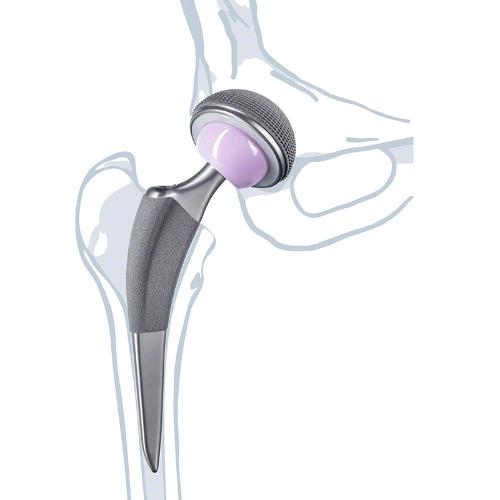
Stosowanie cementu kostnego w endoprotezoplastyce biodra jest powszechną metodą mocowania od wielu dekad. Cementowane mocowanie jest szczególnie korzystne u pacjentów w podeszłym wieku. Złamania szyjki kości udowej, przypadki geriatryczne i traumatologiczne, a także choroba zwyrodnieniowa stawu biodrowego stanowią wskazania do zastosowania częściowo lub całkowicie cementowanej endoprotezoplastyki.

Jesteś osobą wykonującą zawód medyczny lub prowadzącym obrót wyrobami medycznymi?

Zgodnie z obowiązującymi przepisami prawa, oświadczam, że jestem osobą wykonującą zawód medyczny lub prowadzącym obrót wyrobami medycznymi. Mam świadomość, że treści zamieszczane na niniejszej stronie mogą zawierać między innymi wiadomości na temat wyrobów niebezpiecznych dla zdrowia i bezpieczeństwa pacjentów.

Potwierdź Jestem profesjonalistą z branży medycznej. Anuluj Nie jestem profesjonalistą z branży medycznej.
Portfolio cementowanych rozwiązań biodrowych

Cementowane implanty uda

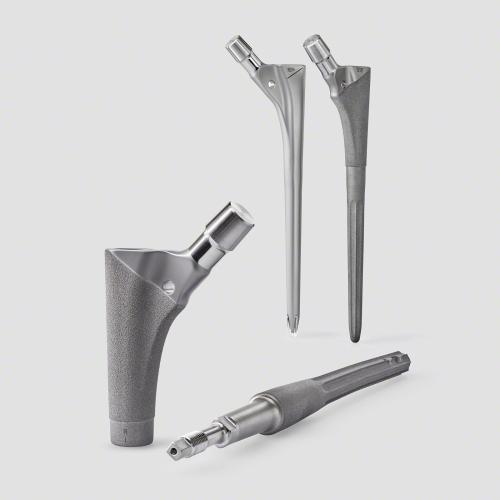
Różne koncepcje trzpieni odpowiadają różnym filozofiom cementowania. Obejmują one trzpienie o powierzchni polerowanej lub matowej, a także techniki kotwienia line‑to‑line lub z zastosowaniem płaszcza cementowego.

Technologia AS

Technologia AS to wielowarstwowa powłoka ze specjalną powierzchnią ceramiczną o wysokiej odporności na ścieranie.

Usuwanie cementu

W ramach programu SQ.line dostępne są różne typy narzędzi przeznaczonych do usuwania cementu.

Akcesoria

Korki śródszpikowe do zatrzymania przepływu cementu i centralizatory dystalne dla dedykowanych linii trzpieni, pozwalające na jego centralne osadzenie w płaszczu cementowym lub kontrolowane osadzenie trzpieni polerowanych.

Cementowane panewki

Cementowane panewki stawu biodrowego wykorzystują dziś najnowocześniejsze materiały, takie jak wysoko usieciowany polietylen stabilizowany witaminą E, który zapewnia zwiększoną odporność na zużycie i utlenianie.

Excia® T

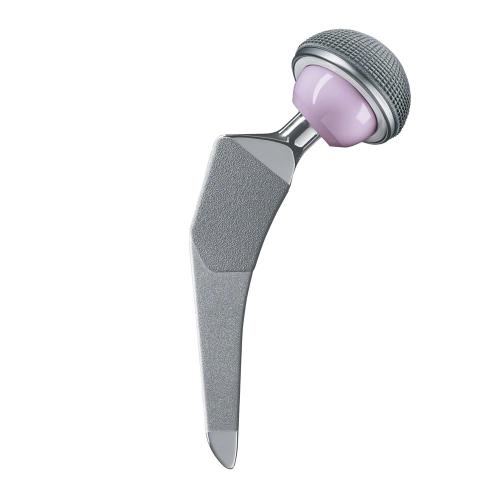
The distally slim implant design and the standardized implantation technique allow the implant to be used in different femoral anatomies with or without bone cement – with standard or high offset – suitable for all less invasive surgical hip approaches. The 12/14 taper with a distally reduced neck diameter increases the range of motion.

Excia®

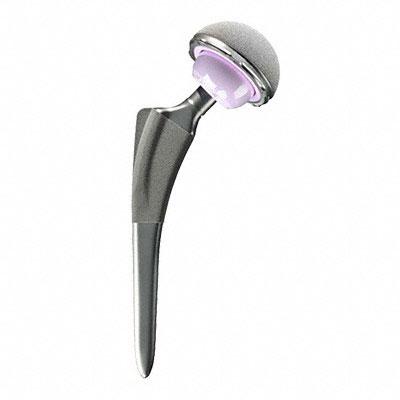
Excia® straight stems are designed for implant longevity with or without bone cement – with standard or high offset – suitable for all less invasive surgical hip approaches.

CoreHip®

The CoreHip® stem series enables independent and separate realization of the individual offset and leg length, as well as reconstruction of the individual CCD angle as close to the patient‘s anatomy as possible.

Prevision®

Prevision® has shown his advantages and benefits in the market for many years. Now, more than 2 decades of market experience the system has been further developed to answer requirements of advanced revision surgeries. The result is a platform of implants with a cementless and cemented Monobloc stem option, followed by corresponding design principles for a modular concept in a straight and curved version. A platform of instruments that reflect a stepwise procedure linked to the needed implant type. When it comes to femoral revisions, a wide range of options to treat patients’ need is mandatory. Various indications could lead to the removal of the former primary stem, such as aseptic loosening, periprosthetic fractures or infections. The Prevision® System combines these demands in one platform Gradual treatment of various indicationsMonobloc: cementless & cemented - modular straight & curved optionsCross-options with one philosophyMaximized intra-operatively flexibilityCustomized instrument platformSmart & lean workflowInstruments within the AESCULAP® SQ.line® designEfficient & economical instrument tray settingOver 1.000 configuration possibilities

Cemented Polyethylene Cups

AESCULAP® cemented cups offer high material standards such as highly crosslinked polyethylene with vitamin E to address reduced wear rates and no oxidation. The articulation diameter ranges from 22.2 up to 36 mm. The cups are categorized into flat profile standard and full profile implants with and without snap-in mechanism. This variability supports the different fields of indications, patient groups as well as degree of stability. 

SQ.line® Orthopaedic Instruments

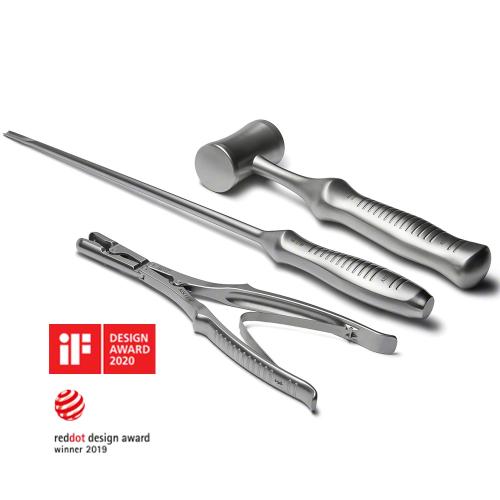
Learn more about our SQ.line® orthopaedic basic instruments focusing on easier reprocessing and improved ergonomics for the orthopaedic surgeon.We improve daily work in CSSD by providing easier visual inspection, time savings during reprocessing and at the same time safety for staff and patients.Features:User-friendly weight and balance for smoother handling of the instruments.Interchangeable jaws open up more possibilities for repair.All instruments are made entirely from stainless steel. Without critical interfaces to other materials.One-piece spring mechanism means there is no risk of screws loosening or accidental opening of the spring during use.

Skontaktuj się z naszymi ekspertami

Thank you very much for your request!

check_circle

Odpowiednia osoba skontaktuje się z Tobą tak szybko, jak będzie to możliwe.

Your request could not be submitted. Please try again.

warning

Materiały źródłowe

  1. Grimberg et al., 2021, The German Arthroplasty Registry (EPRD), Annual Report 2021, S.82